Trump’s Tariff Strategy: A Diplomatic Weapon Beyond Trade
Trump's Tariff Strategy: A Diplomatic Weapon Beyond Trade
|
Getting your Trinity Audio player ready...
|
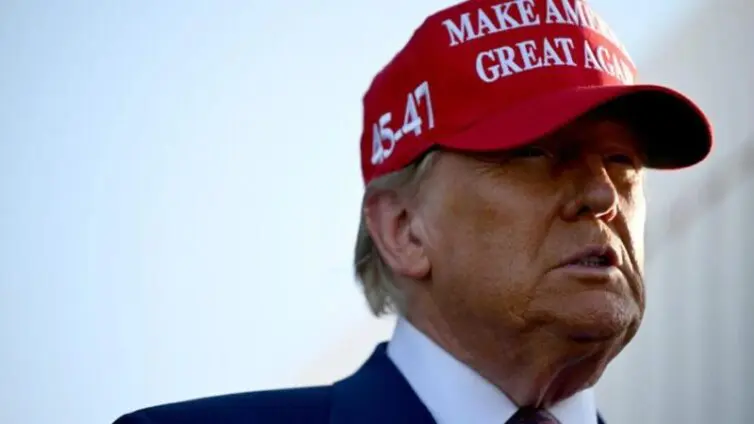
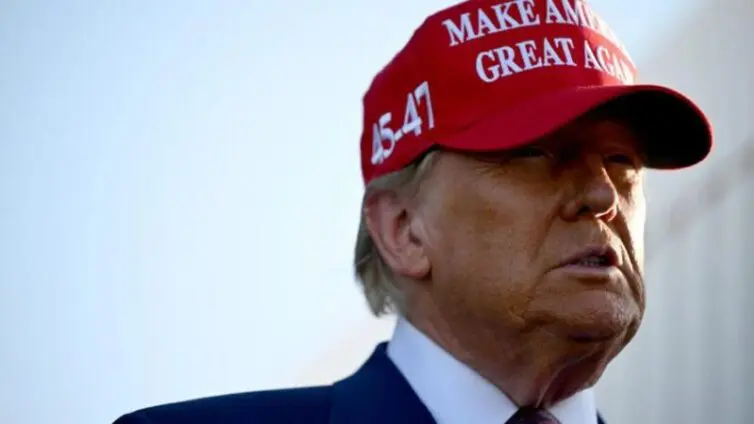
Is Donald Trump serious about tariffs? This question has long lingered in economic and political circles. Initially, skepticism abounded, especially after Trump nominated hedge fund investor Scott Bessent, considered moderate on trade, as his Treasury Secretary. However, recent moves suggest otherwise—Trump is not just serious about tariffs; he’s using them in unexpected and strategic ways.
In a bold pivot, Trump has extended his tariff policies to include not just China but also Mexico and Canada, signaling a willingness to jeopardize the very trade deal he signed during his first term. This raises a critical question: What value does a Trump trade deal hold if tariffs can still be imposed afterward?
More strikingly, these tariffs are not primarily about trade or economics. Instead, they are tools of diplomacy, aimed at pressuring Mexico, Canada, and China to alter policies on issues such as migration and illicit drug trafficking. This approach represents a departure from traditional tariff use, transforming them into instruments of coercion on matters unrelated to global trade.
The G20 nations now face a dilemma: Should they yield to Trump’s demands, or wait out the domestic fallout of his policies, including potential inflation spikes? Historical precedent suggests that American consumers bear the brunt of tariffs. For instance, after Trump imposed a 50% tariff on foreign-made washing machines during his first term, their prices in the U.S. rose by 12%, contradicting his promises to lower living costs.
Despite these drawbacks, Trump’s political base remains receptive to tariffs. Even President Joe Biden, who criticized Trump’s tariffs on Chinese imports, retained and expanded them upon taking office. This bipartisan acceptance underscores the enduring appeal of tariffs as a political tool.
Notably, Bessent, despite his perceived moderation, has endorsed the use of tariffs as a strategic instrument, citing Alexander Hamilton’s legacy. While Bessent has also advocated for a weaker dollar to boost U.S. manufacturing, his appointment does not appear to signal a departure from Trump’s aggressive tariff agenda.
For now, Europe and the UK have been spared from new tariffs, but Trump’s broader goal remains clear: to reshape the global economic landscape and address trade imbalances with China and Europe, which he views as exploiting America.
However, the global economy is far more interconnected than Trump’s binary framing of trade relationships suggests. While the U.S. has the leverage to initiate changes, overplaying its hand could leave the nation isolated, particularly among G7 and G20 allies.
Trump’s tariff strategy is not merely about trade—it’s a recalibration of diplomacy, power, and economic influence, with consequences that extend far beyond the balance sheets.