South Africa Shuts Main Border with Mozambique Amid Rising Post-Election Unrest
South Africa Shuts Main Border with Mozambique Amid Rising Post-Election Unrest
|
Getting your Trinity Audio player ready...
|
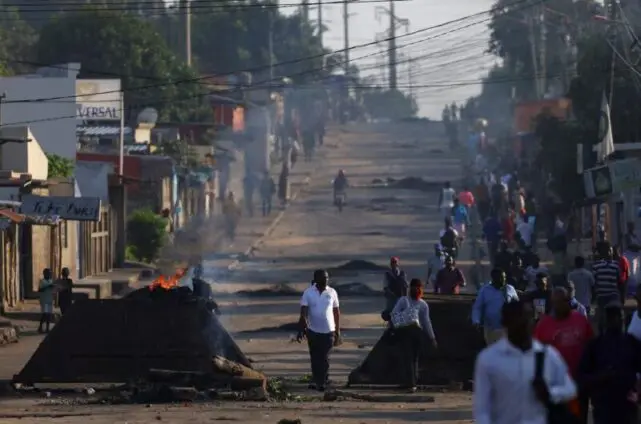
South Africa has temporarily closed its main border crossing with Mozambique, the Lebombo port of entry, citing safety concerns as protests against Mozambique’s disputed election escalate. The decision was announced by South Africa’s border authority on Wednesday following reports of increased violence, including vehicles set ablaze on the Mozambican side of the border.
The protests, sparked by claims of election fraud in last month’s election, have so far led to at least 18 deaths, according to human rights organizations. Opposition supporters allege that Frelimo, Mozambique’s ruling party since 1975, fraudulently won the election, sparking outrage and daily demonstrations. Security forces have responded with tear gas and live ammunition, while the government has restricted internet access and threatened to deploy the army if unrest continues.
A statement from the South African border authority indicated that the closure was implemented “in the interest of public safety” and will remain in effect until further notice. Additionally, seven Mozambican officials have sought refuge in South Africa, requesting protection amid the escalating violence.
Videos posted on social media show long lines of trucks waiting to cross the closed border, with some queues reportedly stretching for kilometers.
The current wave of protests was called for by opposition candidate Venancio Mondlane, who officially placed second in the October 9 election but claims he was the rightful winner. The electoral commission has not addressed fraud allegations, and Frelimo has declined to comment.
The protests are expected to culminate in a major demonstration in Mozambique’s capital, Maputo, on Thursday. Mozambique’s Defence Minister Cristovao Chume has warned that the military is prepared to intervene if necessary, and he cautioned against any attempt to seize power through violence.
Human rights groups continue to report casualties, with the Mozambican Centre for Democracy and Human Rights recording 24 deaths attributed to police action, while Human Rights Watch has verified 18 deaths, though they suspect more fatalities. Mozambique’s interior minister defended the police response, describing the protests as violent and emphasizing the need for security forces to maintain order.