UNICEF, FDA Study Uncovers Hidden Lead Poisoning Threat in Ghana’s Consumer Products
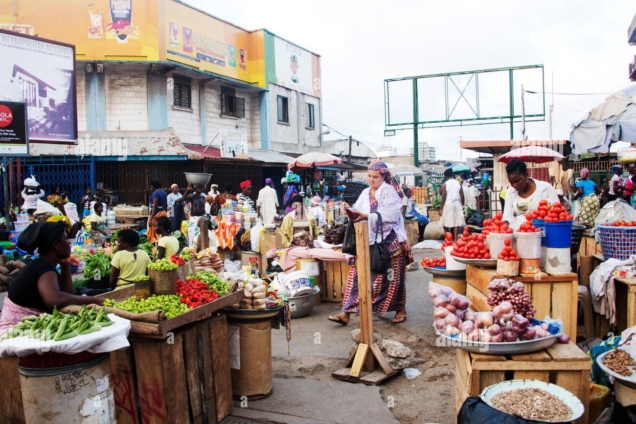
UNICEF and FDA Ghana unveil a nationwide study exposing high lead levels in everyday products, urging stronger consumer protection and child health measures.
|
Getting your Trinity Audio player ready...
|
A nationwide study by the Food and Drugs Authority (FDA) and the United Nations Children’s Fund (UNICEF) has revealed alarming levels of lead contamination in common consumer products across Ghana — including traditional cosmetics, food items, and household materials — posing a serious health threat, especially to children and pregnant women.
he research, which covered all 16 regions of Ghana, found that several everyday products contain lead levels far exceeding safety limits:
- 80% of traditional eyeliners — locally called “kaji kaji” or “kholi” — contained dangerously high lead concentrations.
- Nearly 25% of white baked clay samples (shire, ayilor, farinkasa), commonly consumed by pregnant women, tested positive for contamination.
- About 42% of turmeric powders and 4% of corn-based cereals (Tom brown) showed unsafe lead levels, with the highest contamination in Greater Accra, Central, and Bono Regions.
- Additional sources included old plumbing systems, paint, and cookware made with lead-based materials.
Medical experts warn that even small amounts of lead exposure can cause irreversible harm, particularly in developing children.
Lead poisoning is linked to:
- Developmental delays and reduced IQ
- Learning difficulties and behavioral problems
- Anaemia and hearing loss
- Pregnancy complications, including *miscarriage, preterm birth, and stillbirth
According to the FDA, chronic exposure often goes unnoticed until serious symptoms appear — making public awareness crucial.
NICEF described the findings as a “wake-up call” for policymakers and health authorities.
“Lead poisoning robs children of their full potential,” UNICEF stated. “It is entirely preventable — but only if we act decisively.”
The organization urged government agencies, manufacturers, and communities to:
- Strengthen product safety regulations
- Increase public education on the risks of lead exposure
- Introduce routine lead screening for children and pregnant women
- Enforce stricter testing of imported and locally produced consumer goods
UNICEF reaffirmed its commitment to supporting Ghana’s efforts to eliminate lead exposure and protect every child’s right to a safe and healthy environment.
The Food and Drugs Authority announced plans to intensify surveillance and collaborate with local producers to phase out contaminated products.
FDA officials also encouraged consumers to report suspicious or unlabelled cosmetic and food products, emphasizing that community participation is key to effective prevention.
Public health specialists describe the findings as “deeply concerning but not surprising,” pointing to weak enforcement of product standards and informal markets as major contributors to the problem.
Lead exposure is a silent crisis — it affects brain development and productivity for life,” one environmental health expert noted.
“Tackling this issue will require sustained investment in testing, education, and enforcement.
The UNICEF–FDA study underscores an urgent need for national coordination between health authorities, regulators, and industries to prevent further exposure.
Without swift intervention, Ghana risks a generation of children suffering cognitive and physical harm from an entirely preventable toxin.