‘Wonnim Red’: Ghana’s Growing Opioid Crisis
‘Wonnim Red’: Ghana’s Growing Opioid Crisis
|
Getting your Trinity Audio player ready...
|
The use of psychoactive substances has been part of human history, serving traditional, therapeutic, and recreational purposes. Among these substances, opioids—whether derived naturally from the opium poppy plant or synthetically engineered—stand out due to their potent effects. While they are crucial in pain management, opioids are highly addictive, especially when misused.
Initially, opioid abuse was most prevalent in Western countries, where increased availability led to a public health crisis. However, the problem has since escalated into a global epidemic, with an estimated 60 million users worldwide. In the past two decades, West Africa has witnessed a sharp rise in opioid abuse, mirroring trends seen in other regions and signaling a growing health concern.
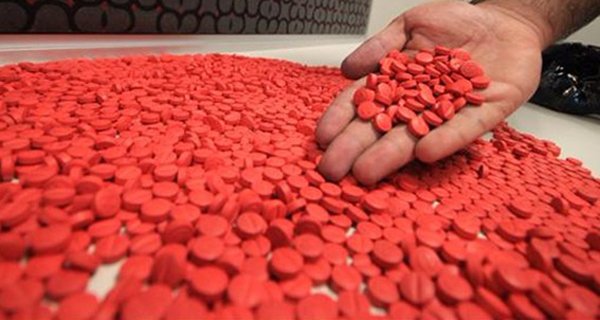
A recent BBC documentary shed light on how opioid-based medications—particularly tramadol and tapentadol—are being smuggled into Ghana and widely abused by young people, especially those in low-income communities. The trend, popularly known as ‘Wonnim Red’ on TikTok, has exposed the scale of the crisis, even though opioid misuse has long existed in Ghanaian communities.
According to the Ghana Food and Drugs Authority (FDA), an alarming 400,000 out of 521,191 seized tramadol tablets contained dangerously high potency levels, exceeding approved medical limits. Many users acquire these drugs from unregulated sources, such as street hawkers and informal traders, since pharmacists require prescriptions before dispensing them.
Why Are Opioids Being Abused?
Several studies have linked opioid misuse to various factors, including:
- Physical endurance: Some users take opioids to suppress fatigue, stay awake, and cope with physically demanding jobs.
- Economic hardship: Many vulnerable individuals, especially in the informal sector, resort to opioids to endure long working hours.
- Peer pressure & curiosity: Young people often experiment with opioids due to influence from friends or out of curiosity.
- Psychological escape: For some, opioids provide an escape from stress, anxiety, and personal struggles.
- Perceived legitimacy: Many people misuse prescription opioids, assuming they are safe since they are legal medications.
Regardless of why individuals start using opioids, prolonged misuse leads to addiction and severe side effects, including seizures, vomiting, irritability, emotional detachment, and even death in extreme cases.
A Crisis With Far-Reaching Consequences
The opioid epidemic affects not just users but entire communities and the nation at large. The illegal distribution of opioids fuels crime, burdens the healthcare system, and threatens public safety.
Recognizing this, various institutions—both public and private—have taken steps to combat the crisis. However, more robust interventions are needed to control the situation.
What Can Be Done?
To effectively address Ghana’s opioid crisis, a multi-faceted approach is necessary:
- Stricter Drug Regulations:
- Strengthen narcotic control laws to prevent opioid smuggling.
- Crack down on unregulated vendors who sell prescription opioids without authorization.
- Impose harsher penalties on individuals involved in illegal opioid distribution.
- Improved Healthcare Access:
- Strengthen healthcare systems to ensure proper pain management alternatives.
- Provide support for individuals battling addiction through rehabilitation programs.
- Economic & Social Interventions:
- Improve working conditions and wages for laborers to reduce reliance on opioids for endurance.
- Encourage unionization among vulnerable workers to advocate for better work environments.
- Public Awareness & Education:
- Launch large-scale awareness campaigns about the dangers of opioid abuse.
- Engage social media influencers, traditional leaders, and media houses to amplify anti-drug messaging.
A Call to Action
Addressing the opioid crisis requires the collective effort of government institutions, healthcare providers, law enforcement agencies, and society at large. Through strict regulations, improved healthcare, economic support, and public education, Ghana can curb the rising tide of opioid addiction.
The battle against opioid misuse must be relentless, as the devastating effects far outweigh any perceived short-term benefits. For the sake of Ghana’s future, every effort must be made to eradicate this growing menace.
God bless our homeland Ghana.