13 Sharks Found with Traces of Cocaine, Scientists Report.
|
Getting your Trinity Audio player ready...
|
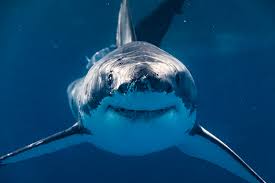
Marine biologists have detected unusually high levels of cocaine in Brazilian sharpnose sharks near Rio de Janeiro. Researchers from the Oswaldo Cruz Foundation analyzed 13 sharks and found that the cocaine concentrations in their muscles and livers were up to 100 times higher than levels previously recorded in other marine species. This is the first time cocaine has been found in sharks, raising serious concerns in the scientific community.
Experts speculate that the cocaine might be entering the ocean from illegal drug production facilities or through the waste of drug users. There is also a possibility that discarded or lost cocaine packs from traffickers could be contributing to this contamination.
Sara Novais, a marine eco-toxicologist at the Marine and Environmental Sciences Centre of the Polytechnic University of Leiria, described the findings as “very important and potentially worrying” in an interview with Science magazine. All the female sharks tested were pregnant, but the effects of cocaine on their unborn pups are still unknown.
Further research is needed to assess whether cocaine exposure is influencing the sharks’ behavior. Previous studies suggest that drugs can affect animals similarly to humans, indicating possible behavioral changes in these sharks.
This discovery follows a similar report from last year, where chemical residues, including benzoylecgonine (a cocaine metabolite), were found in seawater off the south coast of England. Such findings underscore the growing issue of drug pollution and its impact on marine life.